

SPI RGB LED Strip: A Comprehensive Introduction
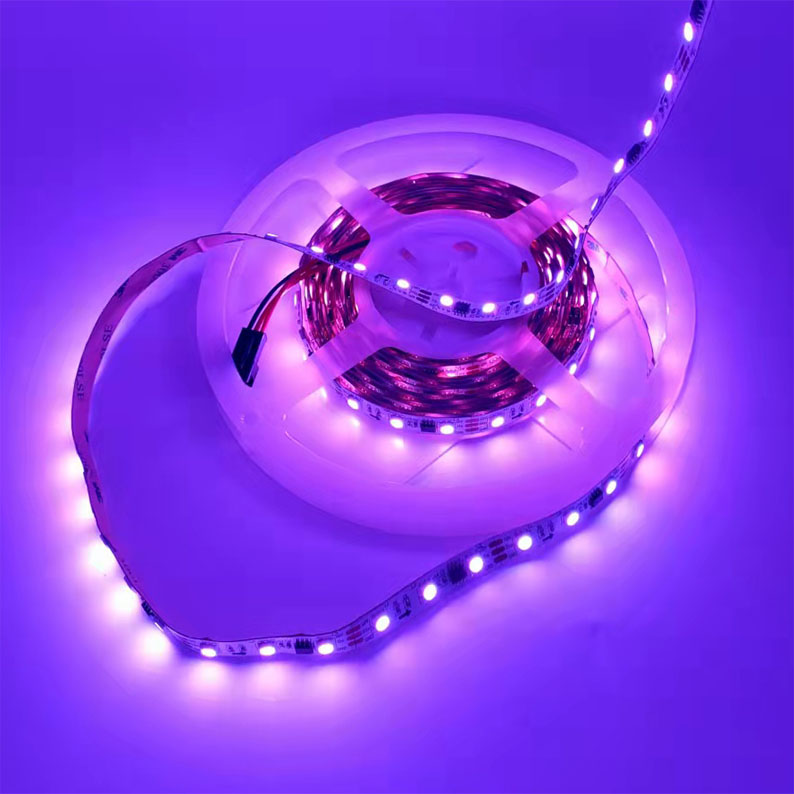
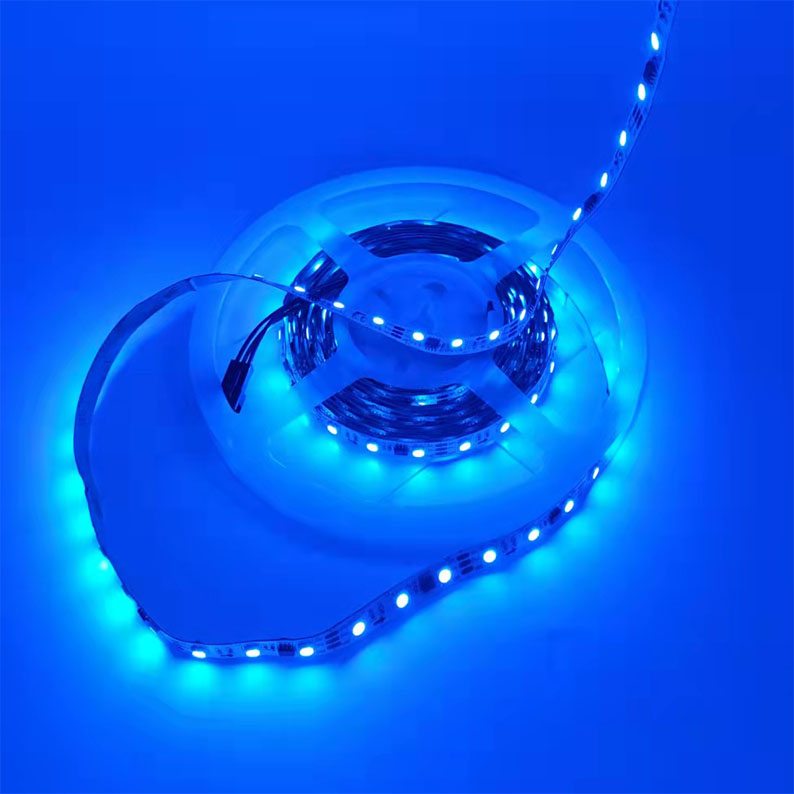
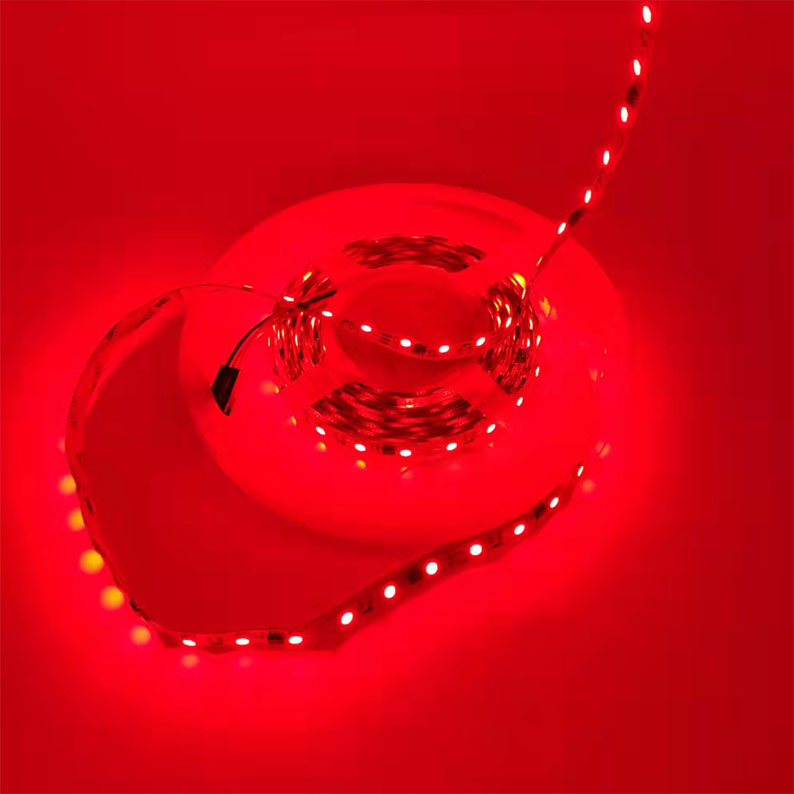
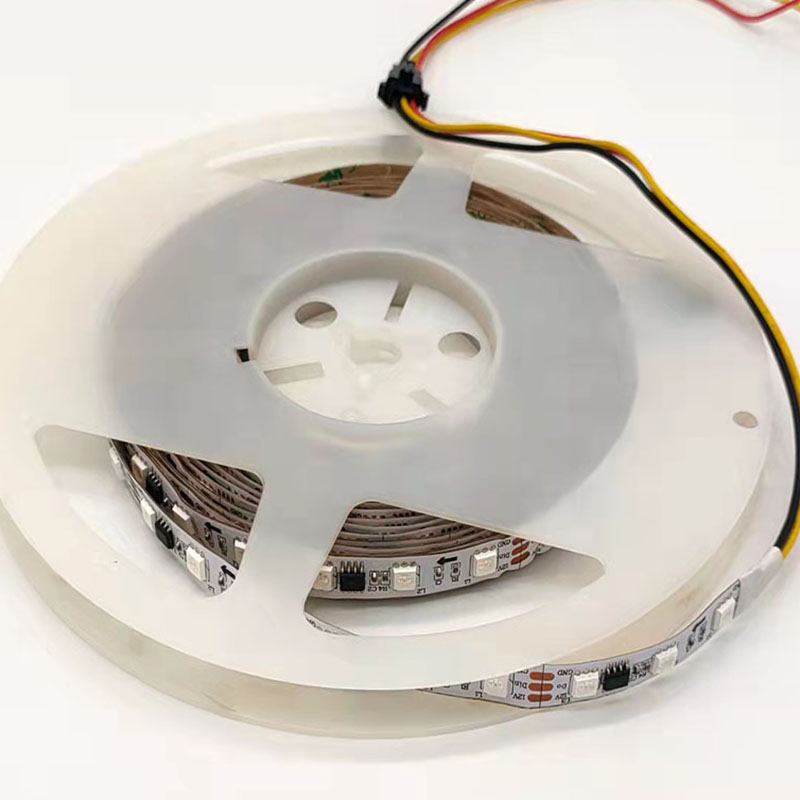
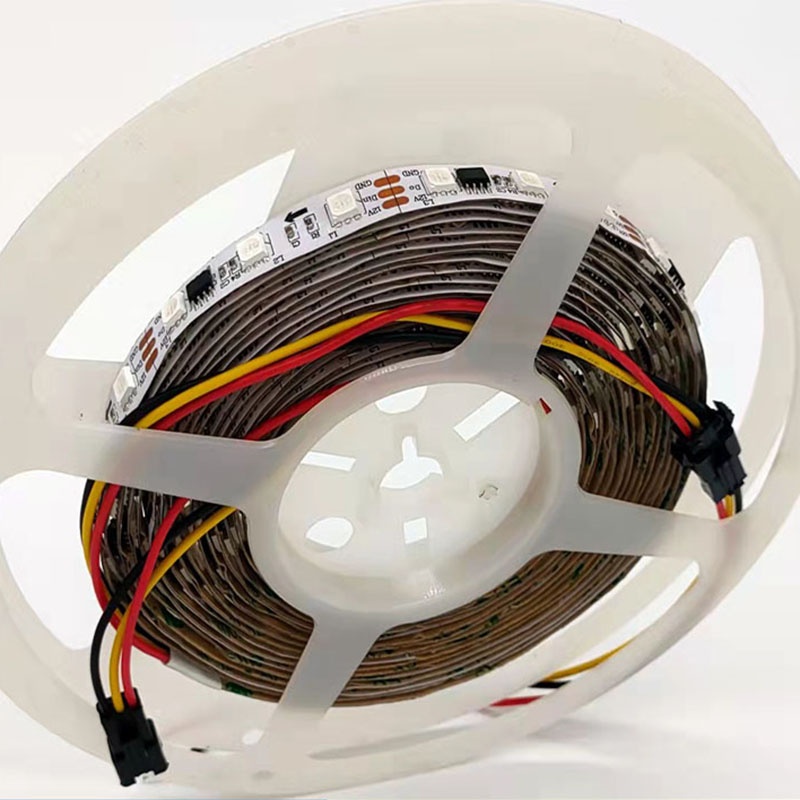
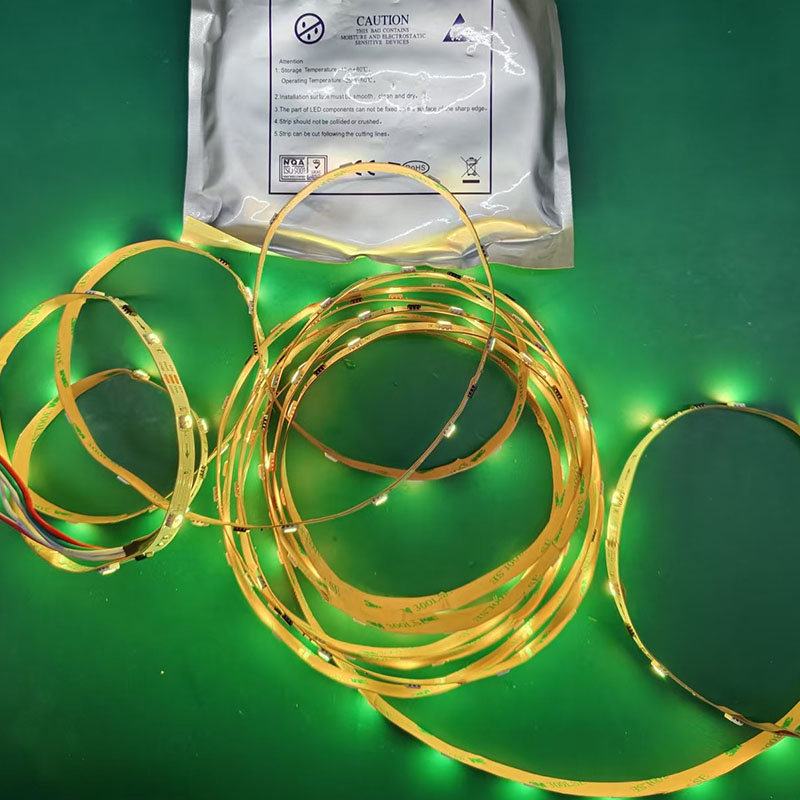
SPI RGB LED Strips, also known as addressable LED strips or pixel LED strips, are advanced lighting solutions that allow individual control over each LED on the strip. Unlike traditional analog RGB strips that display only one color at a time across their entire length, SPI-based strips enable dynamic lighting effects, such as flowing rainbows, chasing patterns, and intricate animations, by independently commanding each pixel.
How SPI RGB LED Strips Work
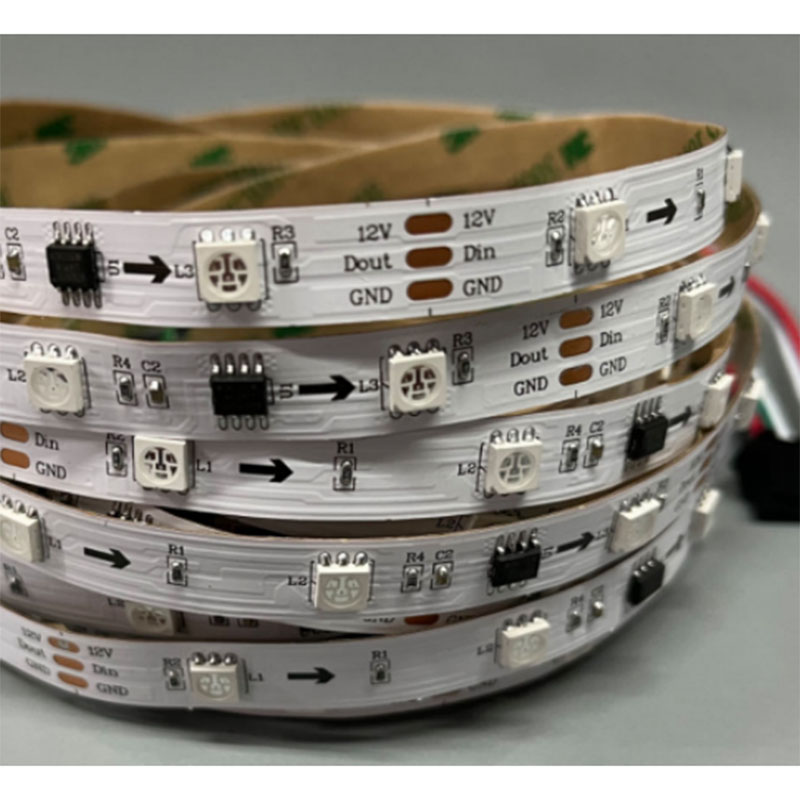
The core of an SPI RGB LED strip lies in its intelligent LED chips, such as the popular WS2811, WS2815, SK6812, or UCS1903. Each LED package (e.g., in a 5050 or 3528 form factor) contains not only red, green, and blue chips but also an integrated control circuit.
These strips typically operate on low DC voltages, most commonly 5V or 12V or 24v. They use a synchronous serial interface for signal transmission, where data is sent from a controller (like an Arduino or ESP32) down a single data line. Each LED chip reads its designated data from the stream and then forwards the remaining data to the next LED in the chain, creating a cascading effect. This allows a vast number of LEDs to be controlled with just one data wire from the microcontroller.
To display a specific color, a 24-bit data packet is sent for each LED, specifying 8-bit values (256 levels) for each of the red, green, and blue channels, allowing for over 16.7 million possible colors.
Key Technical Features & Specifications
The table below summarizes the typical specifications of SPI RGB LED strips :
Feature Specification
Control Protocol SPI (Synchronous Serial Interface)
Common IC Models WS2811, WS2815, SK6812, UCS1903,
Operating Voltage DC 5V, 12V, 24V
Pixel Density 30, 60, 144 LEDs per meter are common
Power Consumption Varies with density (e.g., ~12W/m for 60 LEDs/m at 5V)
Color Model RGB (Red, Green, Blue); variants include RGBW (with White)
PCB Type Flexible Printed Circuit (FPC)
Waterproof Ratings IP20 (non-waterproof), IP65, IP67, IP68
Advantages over Traditional LED Strips
It seems that the source text you provided is incomplete. Please provide the full text that you would like to have translated into English, and I will be happy to assist you with the translation while adhering to the specified rules.Individual Pixel Control: The most significant advantage is the ability to set a unique color and brightness for each LED on the strip simultaneously, enabling complex and dynamic lighting scenes that are impossible with analog strips.
It seems that the source text you provided is incomplete. Please provide the full text that you would like to have translated into English, and I will be happy to assist you with the translation while adhering to the specified rules.Simple Wiring: Controlling a long strip of LEDs requires only one data pin from a microcontroller, simplifying connections.
It seems that the source text you provided is incomplete. Please provide the full text that you would like to have translated into English, and I will be happy to assist you.High Customizability: These strips are highly flexible. They can be cut to custom lengths at designated points and are available in various pixel densities and waterproof grades to suit different project needs.
It seems that the source text you provided is incomplete. Please provide the full content that you would like to have translated into English, and I will be happy to assist you with the translation while adhering to the specified rules.Programmability: They are easily integrated with development platforms like Arduino and micro:bit, allowing creators to program custom light shows and effects.
Common Applications
SPI RGB LED strips are widely used in scenarios that require dynamic and colorful lighting effects.
It seems that the source text you provided is incomplete. Please provide the full text that you would like to have translated into English, and I will be happy to assist you.Architectural Lighting: Enhancing the ambiance of buildings, bridges, and landscapes.
It seems that the source text you provided is incomplete. Please provide the full text you would like to have translated, and I will be happy to assist you with the translation while adhering to the specified rules.Decorative Lighting: Creating mood lighting in homes, bars, KTVs, and retail stores.
It seems that the source text you provided is incomplete. Please provide the full text that you would like to have translated into English, and I will be happy to assist you with the translation.Signage and Display: Highlighting specific structures or creating eye-catching signs in shops, museums, and offices.
It seems that the source text you provided is incomplete. Please provide the full text you would like to have translated, and I will be happy to assist you with the translation.Event and Stage Lighting: Used in concerts, festivals, and holiday celebrations (e.g., Christmas, New Year) to create vibrant atmospheres.
It seems that the source text you provided is incomplete. Please provide the full text that you would like to have translated into English, and I will be happy to assist you.Hobbyist and Prototyping Projects: Popular in DIY electronics for creating art installations, gaming PC lighting, and interactive displays.
Conclusion
In summary, SPI RGB LED strips offer a powerful and versatile lighting solution for both professional and creative applications. Their ability to provide individual pixel control through a simple serial protocol opens up endless possibilities for dynamic and customizable illumination, making them a superior choice over traditional analog RGB strips for creating captivating visual experiences.
I hope this introduction provides a solid foundation for your needs. Would you like me to elaborate on any specific aspect, such as the differences between SPI and DMX512 control protocols or more detailed programming examples?